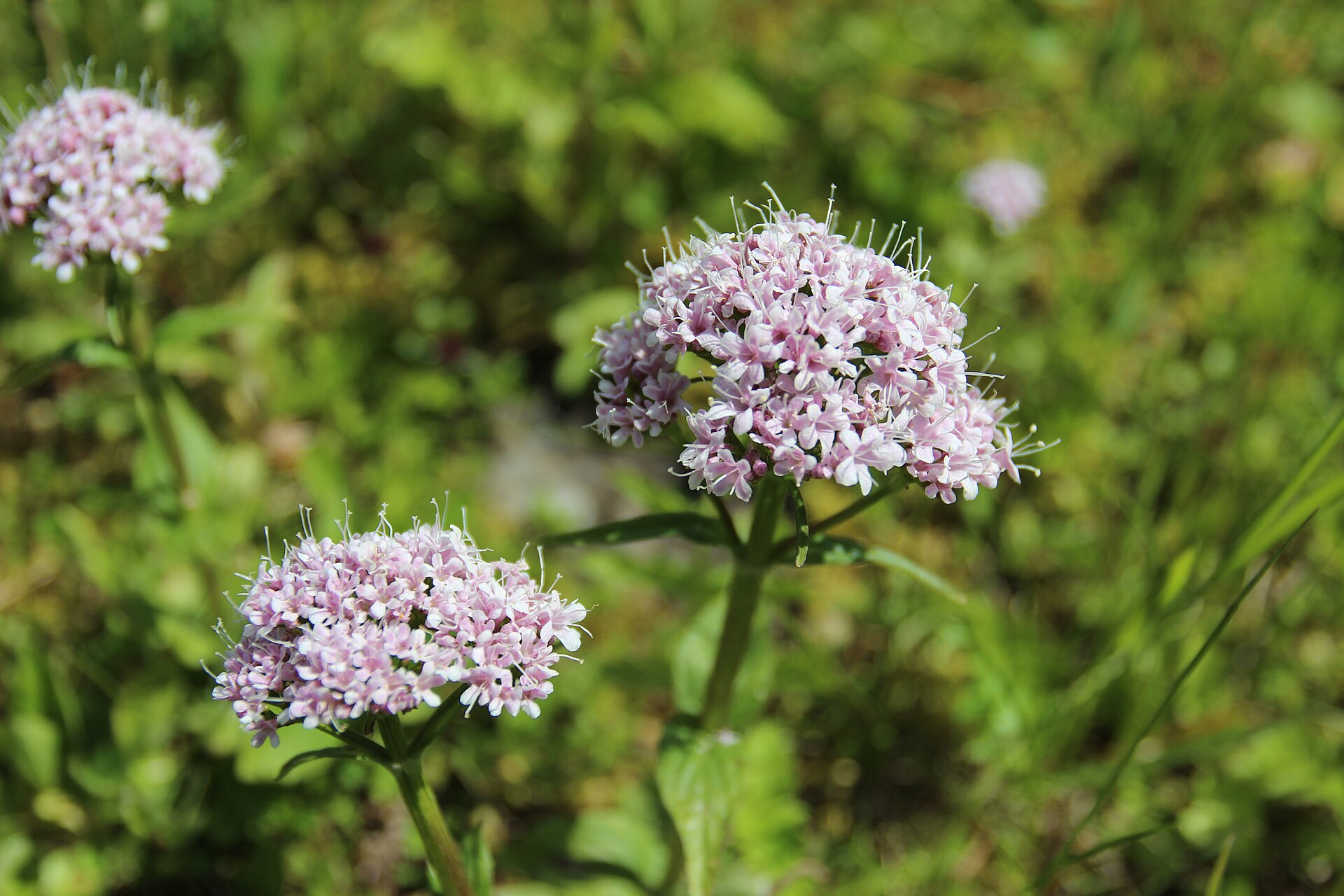
Valerian is a tall plant with clusters of small, fragrant white or pale pink flowers. It's native to Europe and Asia [1][3]. It also grows in North America, where it has escaped from gardens, mainly in the northern United States, and it's listed as a noxious weed in Connecticut and Wisconsin [1][3]. The roots and rhizomes (underground stems) are the parts used medicinally [1].
Valerian is one of the best-known herbal sleep aids, but the evidence is weak and inconsistent. NCCIH says there isn't enough evidence to determine whether valerian is useful for any health condition, and the American Academy of Sleep Medicine recommended against using it for chronic insomnia in adults [1].
This section describes how people have used valerian historically. It does not show that these uses work. See the next section for the evidence.
Sleep and nerves: valerian has been used medicinally since the times of early Greece and Rome, historically for insomnia, migraine, fatigue, and stomach cramps [1]. The tincture has been used for its sedative properties for centuries, and it is still widely used as a sleep aid in France, Germany, and Switzerland [2].
European traditional use: EU regulators accept valerian root as a traditional remedy for mild symptoms of mental stress and to aid sleep [4].
Other traditional systems: valerian has been used in Unani, Ayurvedic, and traditional Chinese medicine for heart-tonic and sedative properties, and for epilepsy and other conditions [2].
Other uses: a digestive aid, to bring on menstruation, and as an antiperspirant [2]. Despite its odor, it was considered a perfume in 16th-century Europe [2].
Flavoring: an oil from the leaves and root has been used to flavor ice cream, condiments, and baked goods [3].
❦
What the evidence says
Bottom line: weak. The studies are few, varied, and often of low methodological quality [6].
Use
What was found
Strength
Insomnia
An umbrella review of 8 systematic reviews found no evidence that valerian works for insomnia. It may improve how well people feel they slept, but this hasn't been shown with objective sleep measurements [6]. In 2017, the American Academy of Sleep Medicine recommended against valerian for chronic insomnia in adults [1].
Weak; guideline recommends against
Sleep quality and anxiety
A 2020 meta-analysis pooled 10 studies (1,065 people) on sleep quality and 8 studies (535 people) on anxiety. The authors thought inconsistent results were possibly due to the variable quality of valerian extracts [7].
Inconsistent
Menopause symptoms
Three small studies suggest valerian might help, but there isn't enough evidence to know for certain [1].
Very limited
Menstrual cramps
A Cochrane review found very limited, low-quality evidence from 1 small trial (100 women) that valerian reduced pain compared with placebo [8]. NCCIH says there isn't enough evidence to draw conclusions [1].
What we can't say: that valerian treats insomnia, anxiety, or any other condition [1][6].
❦
How it’s used / prepared
This is general, traditional information, not a recommendation or a dose for you. Talk with a health professional before using valerian for a health purpose.
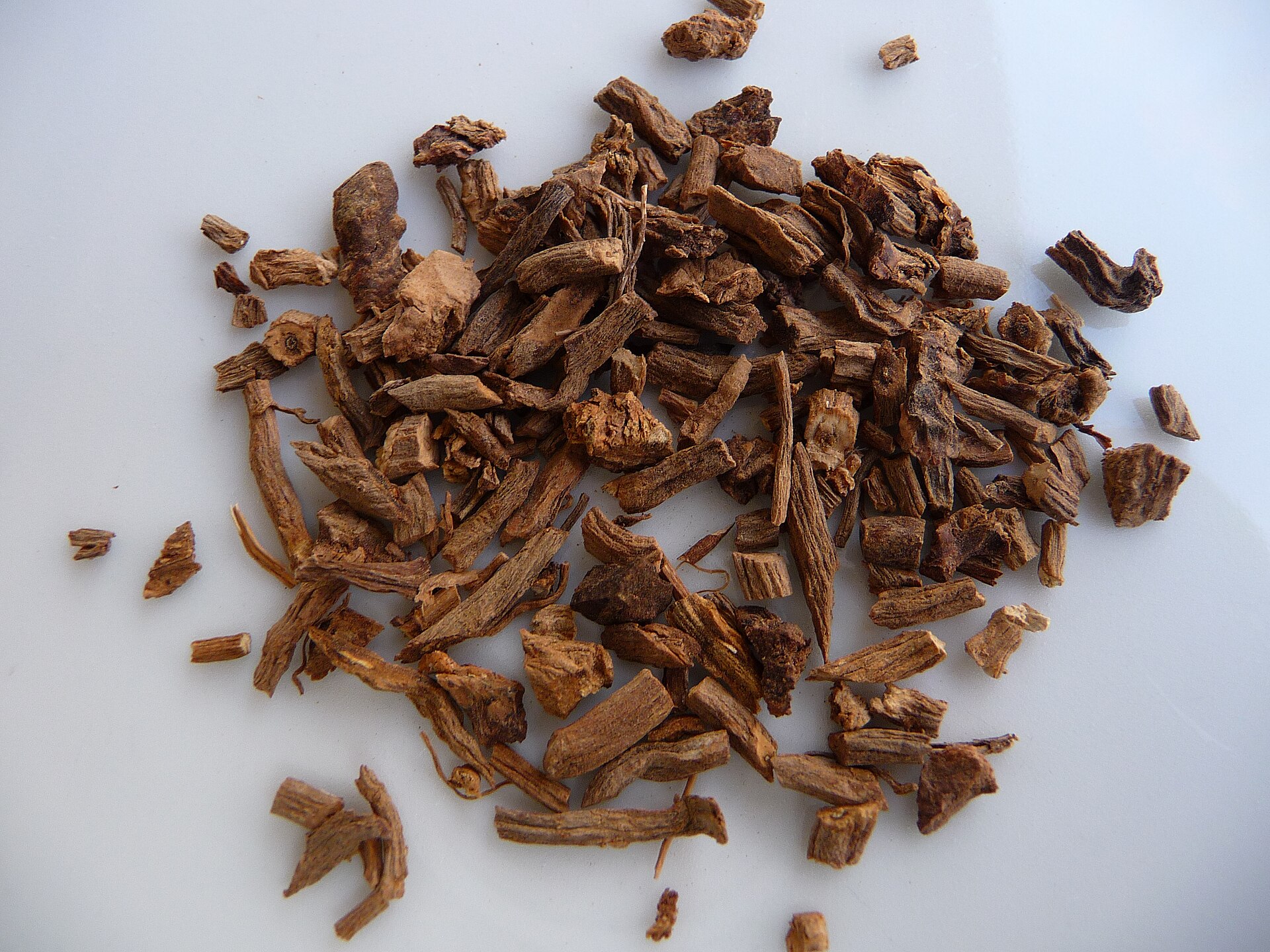
Parts used: the roots and rhizomes [1], usually dried. The dried rhizome contains a volatile oil with a distinctive, unpleasant odor [2].
Tea (infusion): the EU traditional-use monograph describes 0.3–3 g of cut, dried root in 150 ml (about ⅔ cup) of boiling water, for adolescents and adults [4].
Extracts, tinctures, and tablets: the EU monograph covers dry extracts, liquid extracts, and tinctures [4]. Insomnia trials have used valerian extract [2]. Tinctures and extracts may contain alcohol [4].
How long: the EU monograph says valerian works gradually, so it isn't suited to acute use. It suggests 2–4 weeks of continued use, and seeing a doctor or pharmacist if symptoms persist or get worse after 2 weeks [4].
Product quality: the composition of valerian's volatile oil varies markedly between cultivars and species, which makes chemical standardization difficult [2].
Most people buy valerian as a dried root or product. If you grow it, these are its features:
Height: 3–5 feet, with tall, slender, sparsely leaved stems that are hollow and usually hairy, especially at the joints [3].
Leaves: a clump of leaves at the base, plus pairs of leaves on the lower half of the stem. Each leaf is divided into 4–9 pairs of narrow leaflets plus one at the tip. The leaves smell when bruised [3].
Flowers: fragrant, tiny (about 0.2 inch) white or pale pink flowers in rounded clusters 2–5 inches across, from June through August [3].
We did not find a reliable source describing a dangerous look-alike for valerian. NC State Extension lists Patrinia scabiosifolia, an ornamental plant, as one that's often confused with it [3]. Buying dried root or a labeled product avoids the identification problem.
❦
Safety and interactions
Generally well tolerated short term: NCCIH says valerian is generally safe for short-term use by most adults. It has been used with apparent safety at 300–600 mg a day for up to 6 weeks, but the safety of long-term use is unknown [1].
Side effects: headache, stomach upset, mental dullness, excitability, uneasiness, and vivid dreams [1]. EU regulators list nausea and stomach cramps [4].
Drowsiness and driving: valerian may impair your ability to drive or use machines [4].
Alcohol, sedatives, and other medicines: because valerian might have a sleep-inducing effect, NCCIH says it should not be taken with alcohol or sedatives [1]. Drugs.com lists possible added effects with benzodiazepines and other medicines that depress the nervous system [2]. EU regulators found no interactions reported [4]. If you take any medicine, ask your health care provider first [1].
Stopping after long use: some people may have withdrawal symptoms, including anxiety, irritability, heart disturbances, insomnia, and, rarely, hallucinations, if they stop suddenly after long-term use [1].
Liver: valerian has been linked to rare cases of clinically apparent liver injury [5]. NCCIH says these were very rare, most often with other herbs, and that valerian's long-term effect on the liver is unknown [1].
Overdose: EU regulators report that about 20 g of root caused fatigue, stomach cramps, chest tightness, light-headedness, hand tremor, and dilated pupils, which went away within 24 hours [4].
Pregnancy: little is known about safety [1]. EU regulators don't recommend it because there isn't enough data [4].
Breastfeeding: there are no data on valerian in nursing mothers or infants. LactMed notes that valerian is often not recommended while breastfeeding because of theoretical concerns from lab studies, and that another option may be preferred, especially with a newborn or preterm baby [10].
Children: EU regulators don't recommend valerian under age 12 because of a lack of data [4].
Not medical advice
This page is for general education only. It is not medical advice and doesn't replace a doctor, pharmacist, or other qualified professional. Herbs can cause allergic reactions and interact with medicines. Check with a health professional before using any herb, especially if you are pregnant or breastfeeding, giving it to a child, taking medication, or managing a health condition. Never eat or use a wild plant unless an expert has confirmed what it is. For a suspected poisoning in the U.S., call Poison Help at 1-800-222-1222 [9]. In Canada, call 1-844-POISON-X (1-844-764-7669), or the Centre antipoison du Québec at 1-800-463-5060 if you are in Québec [11].
Valente V, Machado D, Jorge S, et al. Does valerian work for insomnia? An umbrella review of the evidence. Eur Neuropsychopharmacol. 2024. https://pubmed.ncbi.nlm.nih.gov/38359657/
Shinjyo N, Waddell G, Green J. Valerian root in treating sleep problems and associated disorders: a systematic review and meta-analysis. J Evid Based Integr Med. 2020. https://pubmed.ncbi.nlm.nih.gov/33086877/
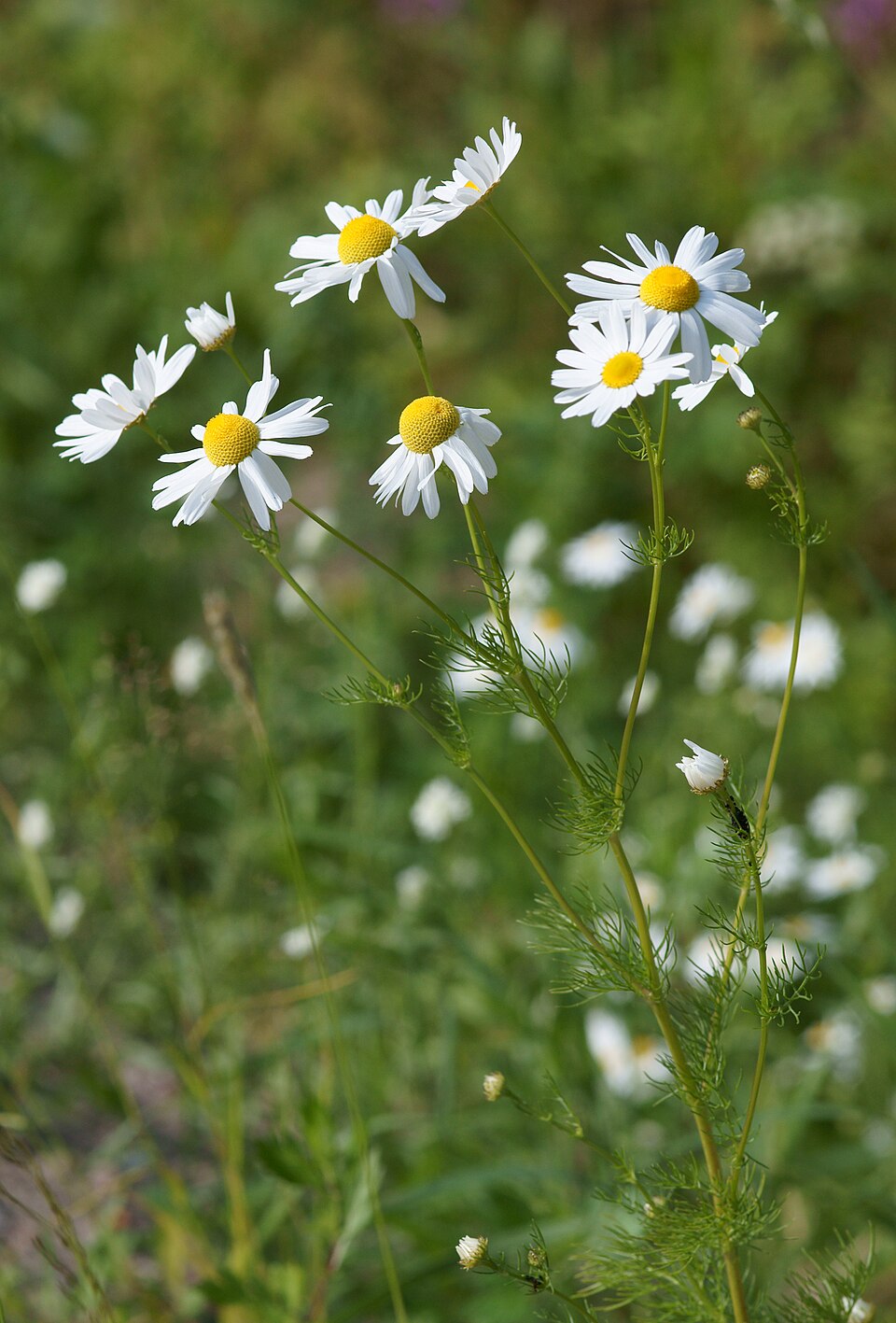
German chamomile is a small, sweet-smelling annual with feathery leaves and little daisy-like flowers that have white petals and a domed yellow center.